

Cervical Disc Replacement Surgery: Advanced Treatment for Cervical Disc Problems
Cervical Disc Replacement Surgery is an advanced spine procedure designed to treat certain painful and disabling conditions of the neck caused by damaged or degenerated cervical discs. The procedure involves removing the damaged disc and replacing it with an artificial disc implant to help maintain movement between the cervical vertebrae.
Dr. Mukesh Haritwal, a highly experienced Spine Surgeon, performs a wide range of complex spinal procedures. With experience of around 5,000 spine surgeries, he is trained to perform anterior and posterior spine surgeries from the occiput to the sacrum, covering conditions such as trauma, deformity, infection, degenerative spine disorders, tumors, and congenital spinal problems.
What Is Cervical Disc Replacement Surgery?
Cervical Disc Replacement Surgery, also known as Cervical Disc Arthroplasty, is a motion-preserving surgical procedure for selected patients with cervical disc disease.
During surgery, the damaged cervical disc is carefully removed and replaced with an artificial disc. Unlike traditional cervical fusion surgery, disc replacement is designed to preserve motion at the treated spinal level.
The suitability of cervical disc replacement depends on factors such as the patient's symptoms, MRI findings, spinal alignment, disc condition, age, bone health, and overall medical condition.
When Is Cervical Disc Replacement Recommended?
Cervical disc replacement may be considered for patients who have symptoms caused by cervical disc degeneration or nerve compression, particularly when non-surgical treatments have not provided adequate relief.
Common conditions may include:
- Cervical disc degeneration
- Cervical disc herniation or slipped disc
- Cervical radiculopathy
- Nerve compression in the neck
- Persistent neck pain associated with disc disease
- Arm pain, numbness, or tingling caused by cervical nerve compression
- Selected cases of cervical spinal stenosis
A detailed clinical examination and appropriate imaging are important before deciding whether cervical disc replacement is appropriate.
Symptoms of Cervical Disc Problems
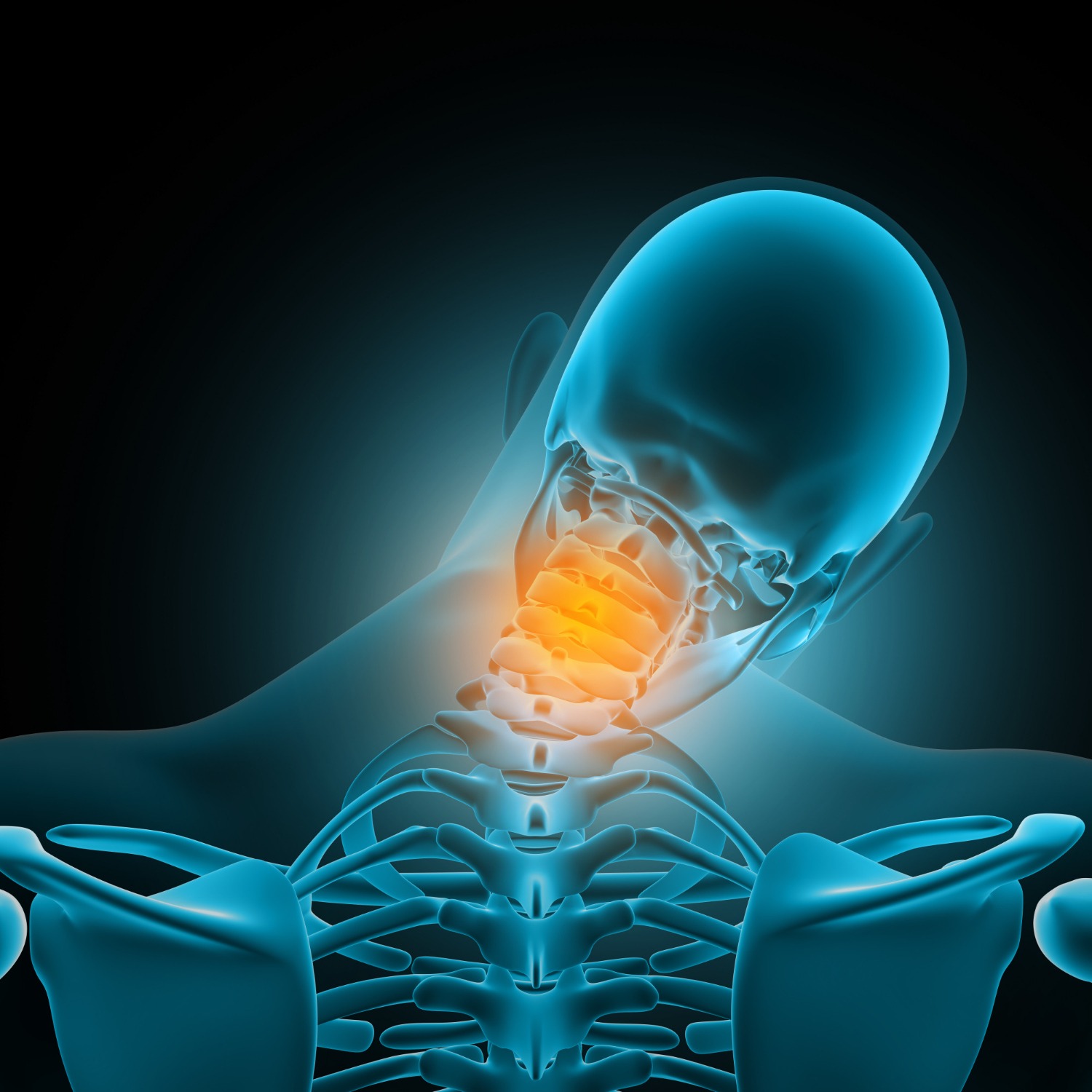
Cervical disc disorders can cause symptoms ranging from mild neck discomfort to significant nerve-related problems.
Common symptoms include:
- Neck pain and stiffness
- Pain radiating into the shoulder or arm
- Numbness or tingling in the hands or fingers
- Arm weakness
- Head and neck discomfort associated with cervical problems
- Difficulty performing routine activities
- Reduced neck mobility
Progressive weakness, problems with balance or walking, or significant neurological symptoms require prompt medical evaluation.
Cervical Disc Replacement vs Cervical Fusion
Cervical disc replacement and cervical fusion are different surgical approaches.
Cervical disc replacement aims to remove the diseased disc while preserving motion at the operated level using an artificial disc.
Cervical fusion, commonly performed as ACDF, removes the damaged disc and stabilizes the spinal segment using a fusion construct.
Neither procedure is universally better for every patient. The appropriate procedure depends on the individual's diagnosis, anatomy, spinal stability, number of affected levels, bone health, and other clinical factors.
Benefits of Cervical Disc Replacement Surgery
For appropriately selected patients, cervical disc replacement may offer several potential benefits:
- Relief from nerve-related arm pain
- Reduction in symptoms caused by cervical disc disease
- Preservation of motion at the operated spinal level
- Potentially faster functional recovery in selected cases
- Smaller surgical approach in many cases
- Treatment of the underlying disc problem rather than only the symptoms
The expected outcome varies from patient to patient, and surgery should be recommended only after appropriate evaluation.
How Is Cervical Disc Replacement Surgery Performed?
The procedure is generally performed through an anterior approach, meaning the surgeon accesses the cervical spine from the front of the neck.
The damaged disc is removed, pressure on the spinal cord or affected nerve is relieved, and an artificial disc implant is positioned between the vertebrae.
The surgical technique and implant selection depend on the affected spinal level and the patient's individual anatomy.
Why Choose an Experienced Spine Surgeon?
Cervical spine surgery requires detailed knowledge of spinal anatomy, nerve structures, spinal alignment, and modern surgical techniques.
Dr. Mukesh Haritwal has experience of around 5,000 spine surgeries and is capable of performing complex anterior and posterior spine surgeries from the occiput to the sacrum.
His surgical expertise encompasses a broad range of spinal conditions, including:
- Degenerative spine disorders
- Spinal trauma
- Spinal deformities
- Spinal infections
- Spinal tumors
- Congenital spinal conditions
- Complex cervical and thoracolumbar disorders
A comprehensive assessment helps determine whether cervical disc replacement, cervical fusion, or another treatment option is most appropriate.
Recovery After Cervical Disc Replacement
Recovery varies depending on the patient's condition, the number of spinal levels treated, surgical complexity, and overall health.
Many patients gradually return to routine activities following their surgeon's postoperative instructions. Physical therapy may be recommended when appropriate to improve mobility, strength, and functional recovery.
Patients should follow medical advice regarding activity restrictions, wound care, medications, exercises, and follow-up appointments.
Is Cervical Disc Replacement Surgery Safe?
Cervical disc replacement is considered an established surgical option for appropriately selected patients, but like every surgical procedure, it can have potential risks and complications.
These may include infection, bleeding, nerve or spinal cord injury, implant-related complications, swallowing difficulties, persistent symptoms, or the need for additional surgery.
A spine specialist can explain the potential benefits and risks based on the patient's individual condition.
Frequently Asked Questions:
1. What is cervical disc replacement surgery?
Cervical disc replacement surgery is a procedure in which a damaged cervical disc is removed and replaced with an artificial disc to treat selected cases of cervical disc disease and nerve compression while attempting to preserve motion.
2. Who is a candidate for cervical disc replacement?
Patients with specific cervical disc disorders, persistent symptoms, and appropriate spinal anatomy may be candidates. A detailed examination and imaging evaluation are required to determine suitability.
3. Is cervical disc replacement better than fusion?
Not necessarily. Both procedures have different indications. Cervical disc replacement aims to preserve motion, whereas fusion stabilizes the treated spinal segment. The best option depends on the patient's individual condition.
4. How long does cervical disc replacement surgery take?
The duration varies according to the number of levels treated, surgical complexity, and individual patient factors. Your spine surgeon can provide a more accurate estimate after evaluation.
5. How long does recovery take after cervical disc replacement?
Recovery differs between patients. Some individuals can resume light activities relatively quickly, while complete recovery may take longer depending on the severity of the condition and the type of surgery performed.
6. What symptoms indicate a cervical disc problem?
Neck pain, arm pain, numbness, tingling, weakness, and symptoms associated with nerve compression can occur with cervical disc disorders. Persistent or worsening symptoms should be evaluated by a spine specialist.
7. Who is an experienced spine surgeon for cervical disc replacement?
Dr. Mukesh Haritwal is a Spine Surgeon with experience of around 5,000 spine surgeries and expertise in performing anterior and posterior spinal procedures from the occiput to the sacrum. His experience covers degenerative conditions as well as spinal trauma, deformity, infection, tumors, and congenital conditions.
Consult a Spine Specialist for Cervical Disc Problems
Persistent neck pain, arm pain, numbness, tingling, or weakness should not be ignored. Early evaluation can help identify the underlying cause and determine whether conservative treatment, cervical disc replacement, cervical fusion, or another treatment approach is appropriate.
If you are searching for an experienced spine surgeon for cervical disc replacement surgery, Dr. Mukesh Haritwal offers expertise in the evaluation and surgical management of complex spinal conditions.