

What is Spinal TB? | Symptoms of Spinal Tuberculosis | Treatment of Spinal TB | Dr. Mukesh Haritwal
Understanding Spinal TB (Tuberculosis of the Spine)
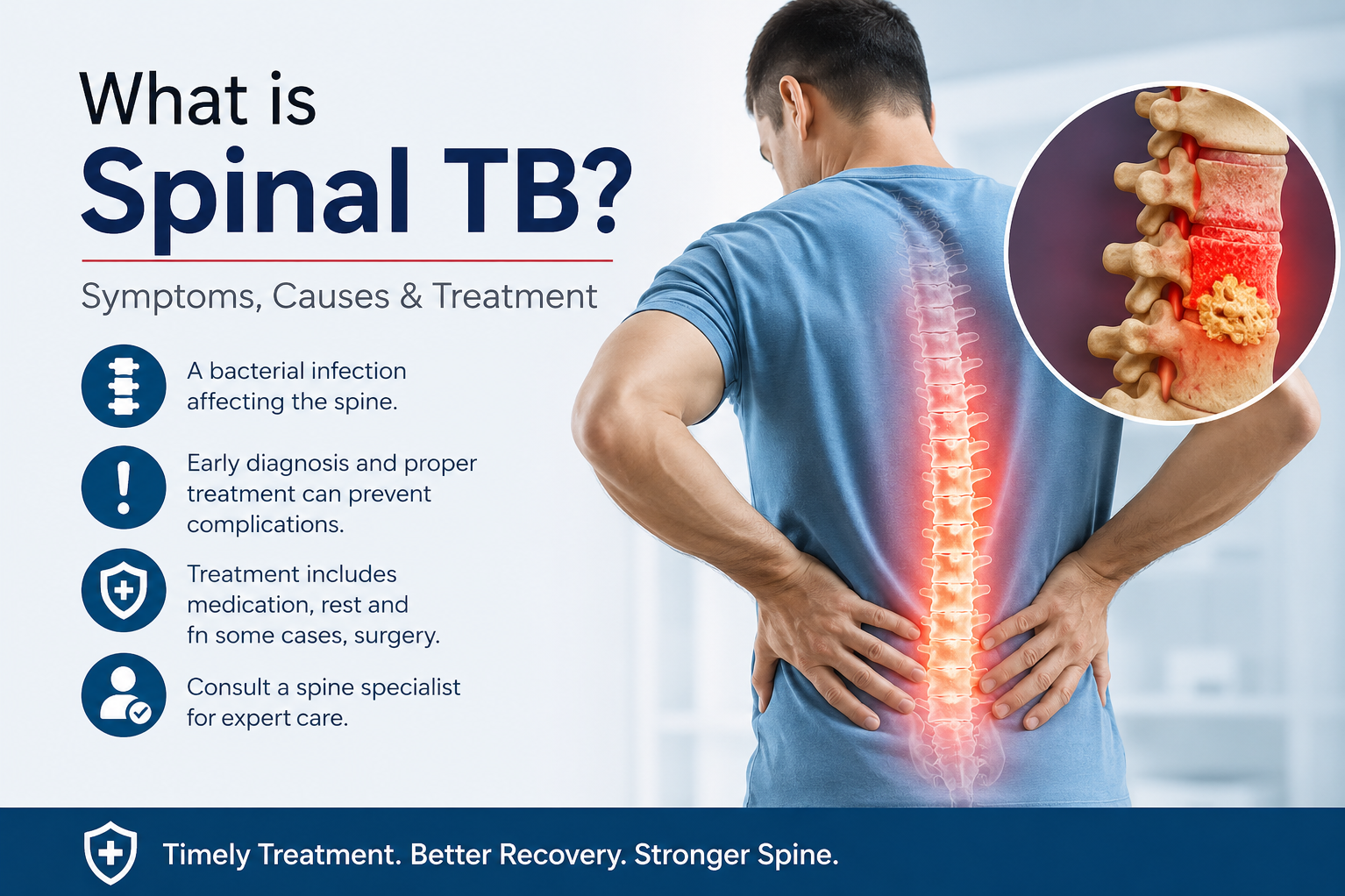
Spinal TB, also known as Pott's Spine or Tuberculosis of the Spine, is a serious infection caused by the bacteria Mycobacterium tuberculosis. While tuberculosis commonly affects the lungs, it can also spread to the spine through the bloodstream and damage the vertebrae, spinal discs, and surrounding tissues.
If left untreated, Spinal TB can lead to severe back pain, spinal deformity, nerve compression, paralysis, and permanent disability. Early diagnosis and proper treatment are essential for preventing complications and ensuring complete recovery.
What Causes Spinal TB?
Spinal TB occurs when tuberculosis bacteria travel from another infected area of the body, usually the lungs, to the spinal bones. The infection most commonly affects the thoracic (mid-back) and lumbar (lower back) regions of the spine.
People with weakened immunity, diabetes, malnutrition, chronic illnesses, or a history of tuberculosis are at a higher risk of developing Spinal TB.
Symptoms of Spinal TB
The symptoms of Spinal TB often develop slowly and may initially resemble common back problems. Common signs and symptoms include:
1. Persistent Back Pain
Chronic back pain that does not improve with rest or medications is one of the earliest and most common symptoms.
2. Fever and Night Sweats
Low-grade fever, especially during the evening, accompanied by excessive sweating at night.
3. Weight Loss and Loss of Appetite
Unexplained weight loss and reduced appetite are common signs of tuberculosis infection.
4. Fatigue and Weakness
Patients often experience tiredness, weakness, and lack of energy.
5. Spinal Deformity
As the disease progresses, the affected vertebrae may collapse, leading to spinal curvature or hump formation.
6. Numbness or Weakness in Legs
If the infection compresses the spinal cord or nerves, patients may develop numbness, tingling, weakness, or difficulty walking.
7. Difficulty in Walking
Advanced Spinal TB can affect balance and mobility due to pressure on the spinal nerves.
8. Paralysis in Severe Cases
Untreated Spinal TB can result in partial or complete paralysis due to spinal cord compression.
How is Spinal TB Diagnosed?
Early diagnosis plays a crucial role in successful treatment. Doctors may recommend:
- Detailed clinical examination
- X-rays of the spine
- MRI Scan
- CT Scan
- Blood investigations
- Tuberculosis tests
- Biopsy in selected cases
MRI is considered one of the most effective investigations for detecting Spinal TB and assessing nerve involvement.
Treatment of Spinal TB
The treatment of Spinal TB depends on the severity of the infection, spinal instability, and neurological involvement.
1. Anti-Tuberculosis Medications
Most patients can be treated successfully with anti-tubercular drugs prescribed for several months under medical supervision.
2. Rest and Spinal Support
Doctors may recommend braces and activity modification to reduce pressure on the affected spine.
3. Physiotherapy and Rehabilitation
After infection control, physiotherapy helps improve strength, mobility, and spinal function.
4. Surgical Treatment
Surgery may be required if the patient develops:
- Severe spinal deformity
- Spinal instability
- Abscess formation
- Nerve compression
- Weakness or paralysis
- Failure of medical treatment
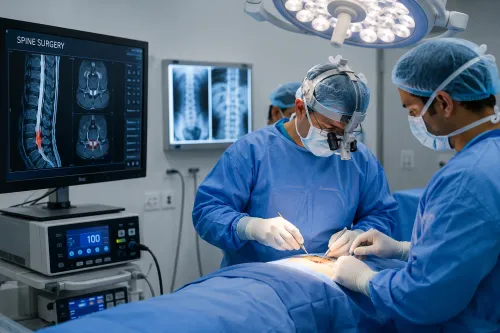
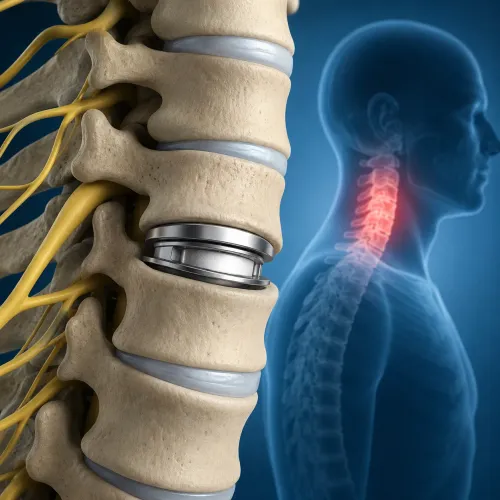
Modern spine surgery techniques can effectively decompress the nerves, remove infected tissue, and stabilize the spine.
Can Spinal TB Be Cured?
Yes. With early diagnosis and proper treatment, most patients recover completely and return to normal life. Delayed treatment, however, increases the risk of permanent nerve damage and spinal deformity.
When Should You Consult a Spine Specialist?
Seek immediate medical attention if you experience:
- Persistent back pain lasting several weeks
- Fever with back pain
- Unexplained weight loss
- Difficulty walking
- Weakness or numbness in the legs
- Loss of bladder or bowel control
Early consultation with a spine specialist can prevent serious complications and improve treatment outcomes.
Expert Spine Care by Dr. Mukesh Haritwal
Dr. Mukesh Haritwal is a highly experienced Spine Surgeon specializing in the diagnosis and treatment of complex spinal disorders, including Spinal Tuberculosis, slipped disc, spinal fractures, spinal deformities, and minimally invasive spine surgeries.
Using advanced diagnostic techniques and modern treatment options, Dr. Mukesh Haritwal focuses on providing personalized care to help patients regain mobility, relieve pain, and return to an active lifestyle.
Conclusion
Spinal TB is a potentially serious but treatable condition when diagnosed early. Persistent back pain associated with fever, weight loss, or neurological symptoms should never be ignored. Timely medical evaluation and appropriate treatment can prevent complications and ensure a successful recovery.
If you or your loved one is experiencing symptoms of Spinal TB, consult an experienced spine specialist for accurate diagnosis and effective treatment.