

Microdiscectomy Surgery for Sciatica and Nerve Compression | Dr. Mukesh Haritwal
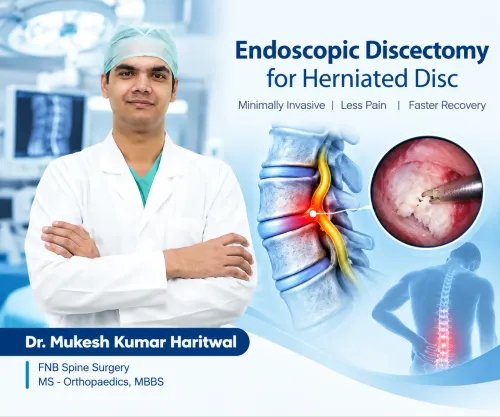
Sciatica, lower back pain, and leg pain can develop when a herniated disc in the spine presses against a nearby nerve. When symptoms persist despite non-surgical treatment, microdiscectomy may be considered to relieve nerve compression. Dr. Mukesh Haritwal, a spine surgeon in Jaipur, provides evaluation and treatment for slip disc, sciatica, and other spinal conditions.
What Is Microdiscectomy Surgery?
Microdiscectomy is a surgical procedure used to remove the portion of a herniated or slipped disc that compresses a spinal nerve. It is commonly performed for lumbar disc herniation, which can cause pain radiating from the lower back into the buttock and leg.
The procedure uses magnification, such as a surgical microscope, to help the surgeon identify the affected nerve and remove the disc material responsible for compression while preserving surrounding structures as much as possible.
When Is Microdiscectomy Recommended?
Microdiscectomy may be considered when a patient experiences:
- Persistent sciatica or pain radiating down the leg
- Numbness or tingling in the leg or foot
- Nerve-related weakness affecting movement
- A herniated lumbar disc confirmed through clinical assessment and imaging
- Symptoms that continue to affect daily activities despite appropriate conservative treatment
Not every slipped disc requires surgery. The decision depends on the patient's symptoms, examination findings, imaging results, and response to other treatments.
How Does Microdiscectomy Help Relieve Sciatica?
Sciatica occurs when the sciatic nerve or its contributing nerve roots become irritated or compressed. A herniated disc in the lower spine is one possible cause.
During microdiscectomy, the surgeon accesses the affected area and removes the disc fragment pressing on the nerve. Relieving this pressure may reduce radiating leg pain and improve mobility. Recovery varies depending on the severity and duration of nerve compression and the patient's overall health.
What Happens During the Procedure?
Microdiscectomy generally involves the following steps:
- Preoperative assessment: The surgeon reviews symptoms, medical history, physical examination findings, and relevant MRI or other imaging.
- Anaesthesia: The procedure is usually performed under general anaesthesia.
- Surgical access: A small incision is made over the affected spinal level.
- Nerve decompression: Using magnification and specialised instruments, the surgeon removes the disc fragment compressing the nerve.
- Postoperative monitoring: The patient is monitored and receives instructions for movement, wound care, and recovery.
The exact technique and hospital stay depend on the patient's condition and the surgeon's assessment.
Recovery After Microdiscectomy
Many patients begin walking soon after surgery when medically appropriate. Recovery time varies, and some patients return to routine activities within a few weeks, while others need longer depending on their occupation, symptoms, and individual healing.
Following postoperative instructions is important. Patients may be advised to avoid heavy lifting, repeated bending, and strenuous activity during the initial recovery period. Physiotherapy and gradual activity progression may be recommended when appropriate.
Although leg pain may improve relatively quickly, numbness, weakness, or other nerve symptoms can take longer to recover. Surgery also carries potential risks, including infection, bleeding, recurrent disc herniation, and persistent symptoms.
Microdiscectomy Consultation in Jaipur
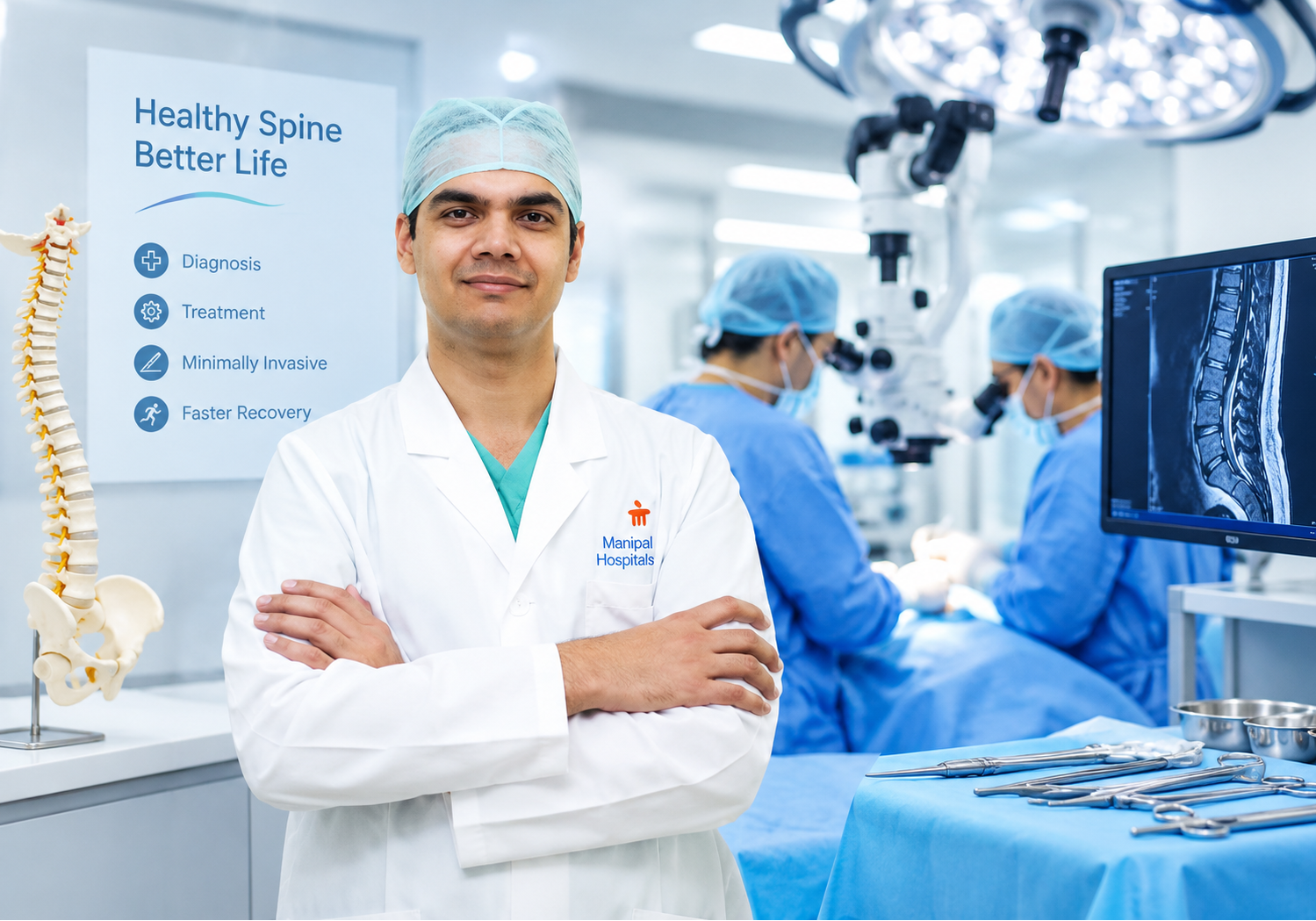
Dr. Mukesh Haritwal holds qualifications in MBBS, MS Orthopaedics, and FNB Spine Surgery. He evaluates patients with spinal disorders, including herniated discs and sciatica, and considers both surgical and non-surgical treatment options based on individual needs.
Patients experiencing persistent back pain, radiating leg pain, or symptoms associated with a slipped disc can seek a spine consultation to understand their diagnosis and available treatment choices.
Consultation: Dr. Mukesh Haritwal
Location: Manipal Hospital, Main Sikar Road, Vidyadhar Nagar, Jaipur, Rajasthan
Phone: +91 94608 49639
Frequently Asked Questions
1. Is microdiscectomy used to treat sciatica?
Yes. Microdiscectomy may help relieve sciatica caused by a herniated disc pressing on a spinal nerve, particularly when symptoms persist despite non-surgical treatment.
2. Does every slipped disc require microdiscectomy?
No. Many herniated discs improve with medication, activity modification, physiotherapy, and other conservative treatments. Surgery is considered when clinically appropriate.
3. How long does recovery take after microdiscectomy?
Recovery varies by patient. Some people resume light activities within a few weeks, while complete recovery and return to strenuous activities may take longer.
4. Can leg pain improve after microdiscectomy?
Relieving nerve compression can reduce radiating leg pain. However, the outcome depends on the underlying condition, the degree of nerve injury, and individual recovery.
5. When should I seek urgent medical attention?
New difficulty passing urine, loss of bladder or bowel control, numbness around the groin or saddle area, or rapidly worsening leg weakness requires emergency medical assessment.
Conclusion
Microdiscectomy is an established surgical option for selected patients with a herniated lumbar disc causing sciatica or nerve compression. Proper diagnosis and an individualised treatment plan help determine whether surgery or conservative care is appropriate. Consult Dr. Mukesh Haritwal in Jaipur for an assessment of spine-related symptoms and available treatment options.